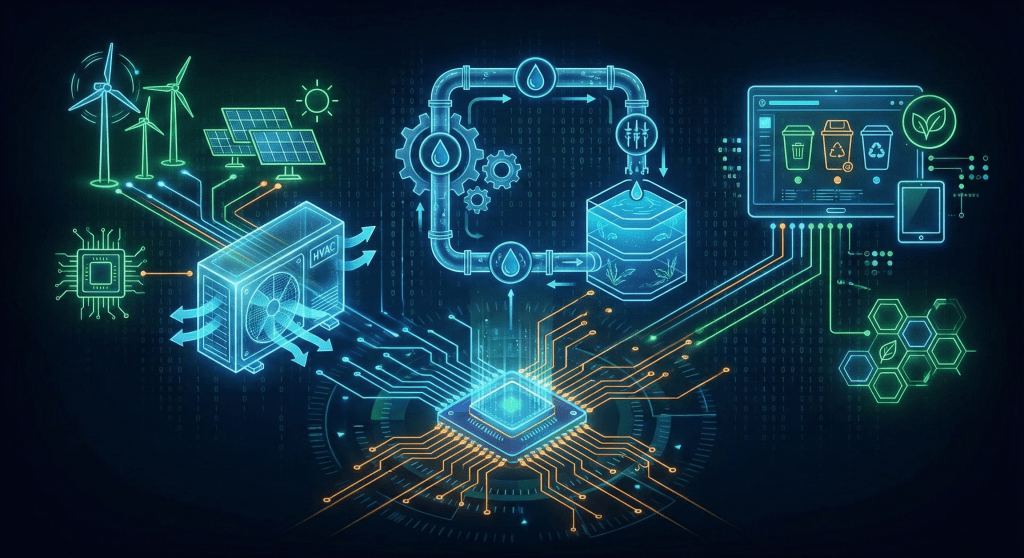
Improving environmental efficiency in vivarium operations involves significantly reducing the high energy, water, and waste demands of these facilities. By prioritizing resource-efficient equipment and designs, facilities can lower their environmental footprint, reduce operational costs, and promote sustainability without compromising animal welfare.
Energy efficiency
Vivariums use up to ten times more energy per square foot than standard office buildings, primarily due to their high-performance HVAC systems.
- Optimize HVAC systems: Use demand-based ventilation systems that monitor animal populations and air quality (e.g., ammonia levels) to reduce air exchange rates when appropriate. High-density caging systems can also maximize space and integrate with existing exhaust systems to lower energy use.
- Upgrade equipment: Replace older, less efficient equipment like cage washers with modern models that include features such as heat recovery systems and better insulation.
- Install energy-saving lighting: Switch to LED lighting, and use timers or sensors to control light cycles and turn off lights in unoccupied areas.
- Invest in renewable energy: Consider installing solar panels or wind turbines to offset energy consumption.
Water conservation
Significant amounts of water are used for cage washing, sanitation, and animal watering.
- Install high-efficiency equipment: Use modern cage washers with countercurrent rinsing systems that recycle final rinse water for subsequent wash cycles. For autoclaves, opt for models with integrated water-reduction technology.
- Implement recirculating water systems: Sterilize and recirculate water for automatic animal watering systems instead of using single-pass flushing systems that discharge water down the drain.
- Use alternative water sources: Where regulations allow, use treated process discharge or harvested rainwater for non-critical applications.
- Convert to aquatic vivaria: When feasible, housing aquatic species instead of mammals can dramatically lower water and energy consumption, as water can be more easily filtered and reused.
Waste management and material usage
Vivariums produce a wide variety of waste, including animal bedding, single-use plastics, and hazardous materials.
- Reduce plastic waste: Minimize the use of single-use plastics through reuse programs, recycling, and by using reusable products where possible.
- Upgrade bedding and materials: Switch to bedding made from recycled paper or sustainably sourced wood. Some facilities have implemented composting programs to turn used bedding into agricultural fertilizer.
- Go digital: Digitize animal records and other documentation to significantly reduce paper waste.
- Select sustainable building materials: Choose durable, non-porous materials like epoxy-coated floors and chemical-resistant wall finishes that can be easily cleaned and sanitized, ensuring facility longevity and low maintenance.
 Ventures Done