-
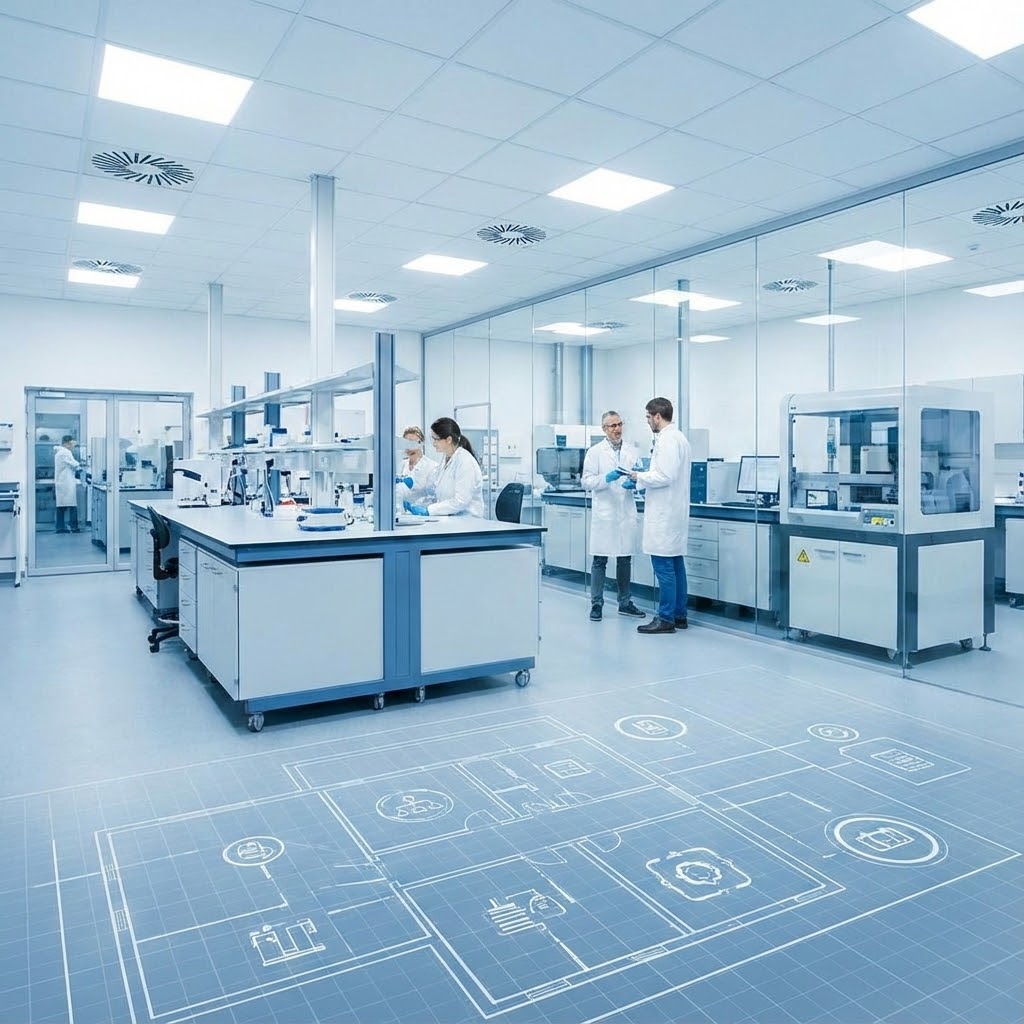
THE IMPORTANCE OF LAB LAYOUT FOR EFFICIENCY, FUNCTION, AND SAFETY: BUILDING SPACES WHERE SCIENCE CAN THRIVE
lab layout, laboratory design, lab efficiency, scientific safety, workflow optimization, lab automation, lab flexibility, equipment placement,…
-

PROPRIETARY VS. NON-PROPRIETARY COMPONENTS IN LAB EQUIPMENT: MAXIMIZING UPTIME AND KEEPING SCIENCE MOVING FORWARD
In modern research environments, equipment uptime is more than an operational concern; it directly influences scientific…
-
AI and Machine Learning: Powering the Next Frontier of Scientific Discovery
The pace of scientific discovery has always depended on our ability to analyze data and generate…
-
PREVENTIVE MAINTENANCE IN A LAB SETTING: PRESERVING PERFORMANCE, RELIABILITY, AND SCIENTIFIC CONTINUITY
Preventive maintenance is one of the most critical yet often overlooked pillars of laboratory operations. While…
-

Robotics in the Lab: Driving Precision, Speed, and Reproducibility in Modern Research
In today’s research landscape, laboratories are generating and analyzing more samples than ever before. From drug…
-

Environmental Efficiency in Vivarium Ops
Improving environmental efficiency in vivarium operations involves significantly reducing the high energy, water, and waste demands…
-
Subscribe
Subscribed
Already have a WordPress.com account? Log in now.
 Ventures Done